National Association of Certified Child Forensic Interviewers
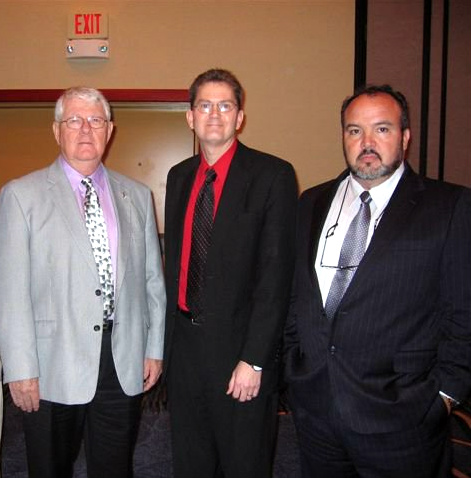
Dr. Michael Haney, Past President of the American Professional Society on the Abuse of Children (APSAC), Victor Vieth JD. Executive Director of the National Child Protection Training Center (NCPTC), Hector M. Campos LCSW, Chairman of the (NACCFI) Board of Governance.
"In today's investigative body-camera landscape, knowing how to effectively interview a child witness at the scene is no longer optional-Its-Imperative!!!"
The Executive Summary
Child maltreatment is both a public safety concern and, in many cases, a criminal matter. Effectively interviewing a child who is suspected of being abused, neglected, exploited, or who has witnessed a crime is among the most challenging and critical responsibilities facing first responders and child protection professionals.
Conducting safety planning, assessing risk, and collecting physical and testimonial evidence are just a few of the essential tasks associated with an effective response. For this reason, it is imperative that first responders and child protection professionals receive specialized training and credentialing in the fundamental knowledge, skills, tasks, and functions associated with child forensic interviewing.
Professionals who are properly trained and credentialed in child forensic interviewing provide child victims, families, and the public with reasonable assurance that investigations will be conducted with credibility, objectivity, competence, and unbiased professionalism. Effective training and credentialing help promote best practices, enhance investigative integrity, and support outcomes that prioritize both child safety and the pursuit of justice.
The 40-Hour Self Paced Online Training Course
The cost is $ 425.00
"Includes credentialing registration and title protection at no additional cost"
To Review the Course Curriculum: Click Here
This 40-hour, evidence-based online forensic interview course is based on the NICHD Enhanced Investigative Interview Protocol and is designed to teach the core knowledge competencies associated with effective child forensic interviewing. The curriculum was developed using empirical evidence from two separate job task analyses conducted within the field.
All participants are required to complete a comprehensive end-of-course examination. The examination is designed to assess retention of course material and measure fidelity to evidence-based interviewing practices.
Upon successful completion of the course and examination, participants will be listed in the organization's online member registry as a Registered Child Forensic Interviewer (RCFI). This designation recognizes that the individual has demonstrated mastery of the knowledge competencies identified as critical for effective child forensic interviewing by more than 1,200 practicing child forensic interviewers.
Graduates are encouraged to include the RCFI credential after their name and in their professional signature as evidence of their specialized training, professional competence, and commitment to best practices in child forensic interviewing.
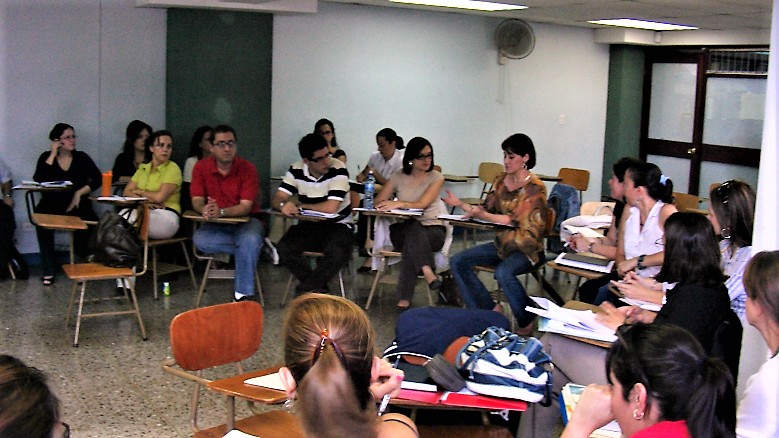
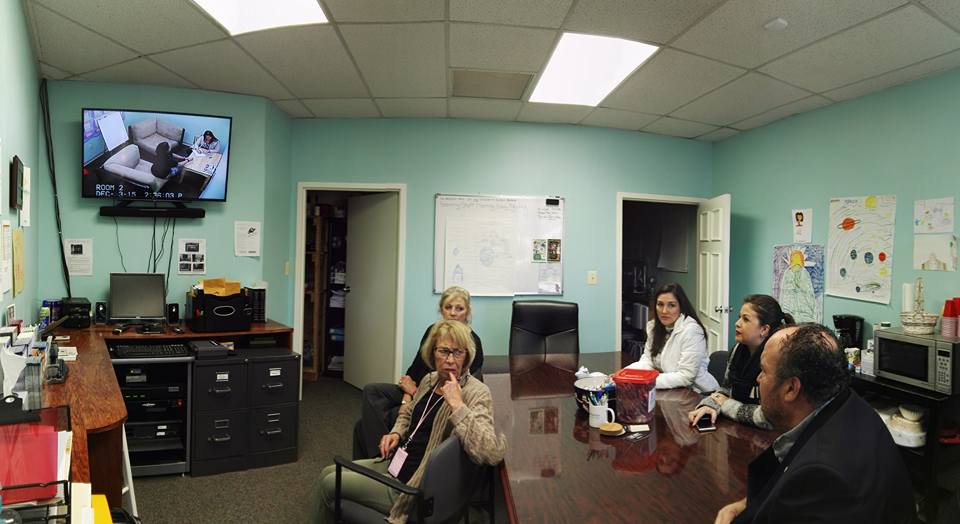
NICHD Onsite Training Course Costa Rica 2015
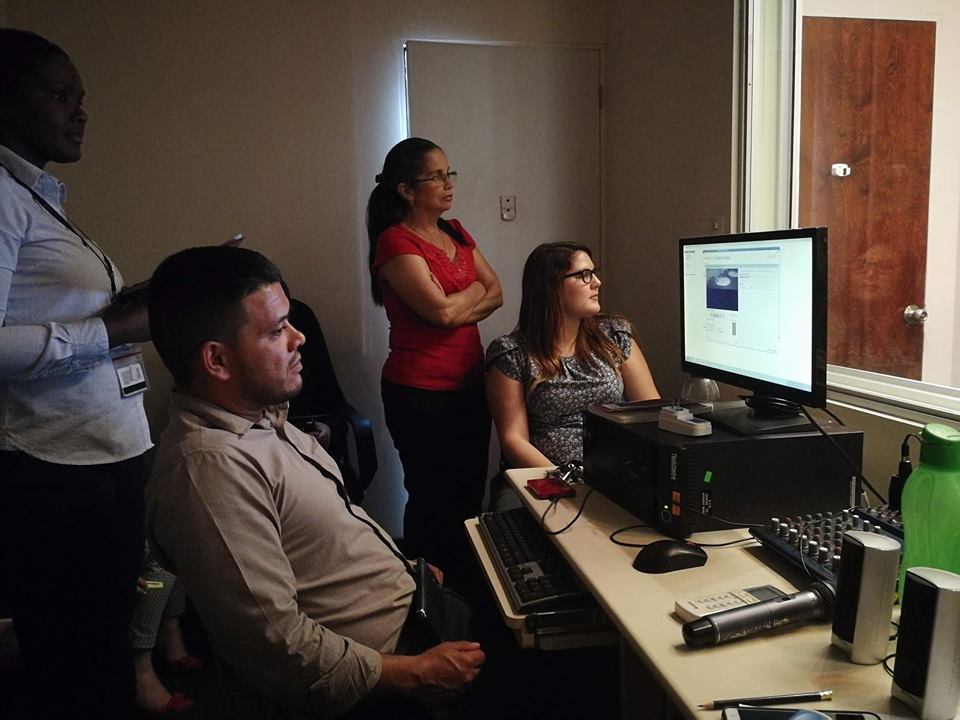
NICHD Onsite Training Course Guatemala 2019
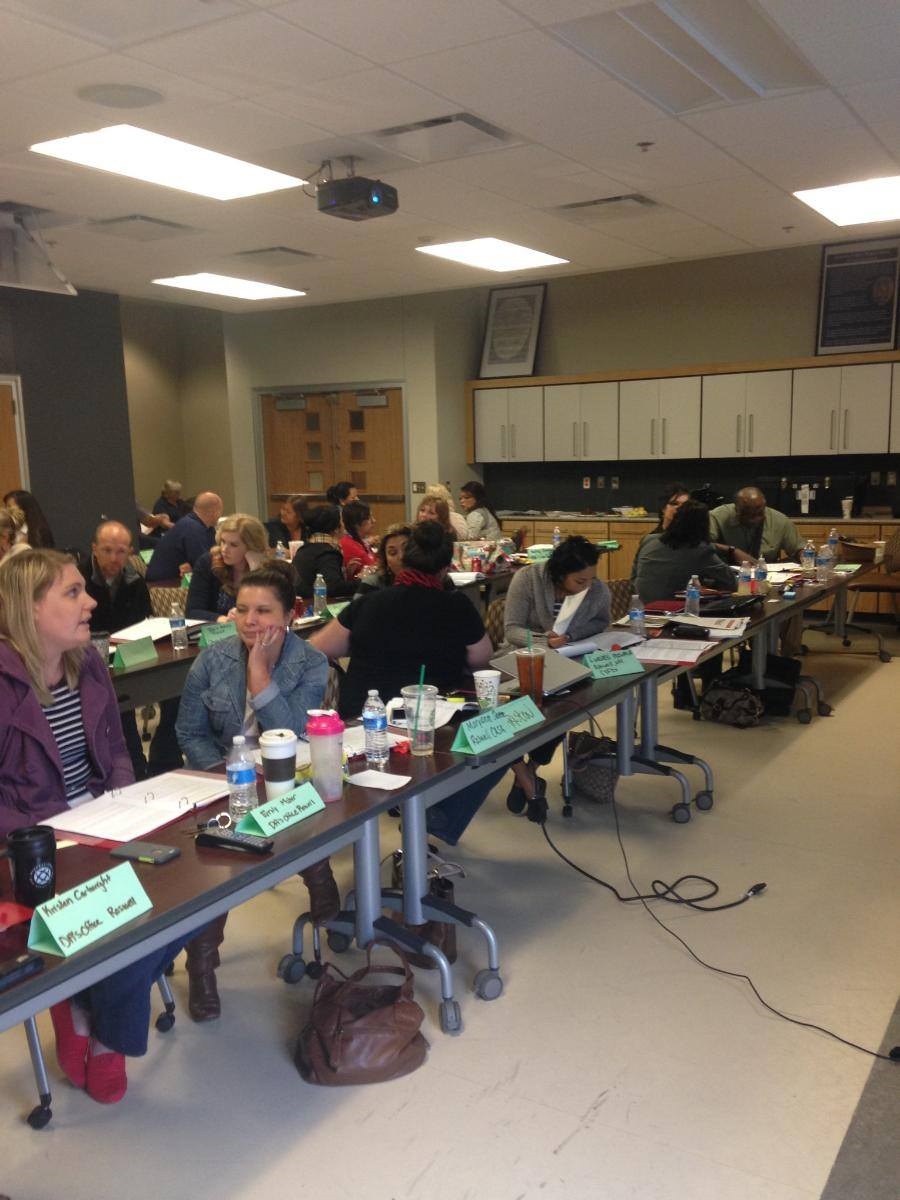
NICHD Onsite Training Course New Mexico 2014
Onsite 40 hour NICHD Training Course
The NICHD Forensic Interviewing Protocol course provides training in a highly structured, research based method for interviewing children in cases of alleged abuse. Developed in the 1990s, the protocol was designed to improve the quality, validity, and reliability of child forensic interviews by grounding interviewer practices in decades of empirical research. It was first tested and implemented at a Children’s Justice Center in Utah, where it was validated as an effective training tool for helping interviewers conduct developmentally sensitive, non suggestive, and legally defensible interviews. Since then, the NICHD Protocol has been widely adopted and adapted internationally, becoming one of the most influential evidence based frameworks for child forensic interviewing.
The instructor for this course received advanced NICHD trainer preparation at the U.S. Army Academy of Health Sciences in Texas, where he was selected as one of 18 Army certified NICHD trainers responsible for implementing the protocol across Army Medical Command regions. In this role, he trained multidisciplinary case review committees throughout Europe and multiple Latin American countries, supporting the U.S. Army’s 2007 adoption of the NICHD Protocol for child maltreatment investigations.
This course is now available at a Venue of your choice. Trainers will travel to your site, a minimal group size is 10, maximum 40 participants.
To learn more about the NICHD Onsite Course and Presenters:
Onsite NICHD Course Dates:
The cost is: $ 425.00 per participant
July 22 to July 25: / Class Full
Aug 19 to Aug 22: / Class Full
Sept 9 to Sept 12: / Class Full
Location:
NACCFI Services
Pratt Medical Building
4701 Spotsylvania Pkwy
Suite: 101
Fredericksburg, VA 22407
Online Course Testimonial:
I have completed the final exam. Of all the training I have had through the years while in law enforcement and child welfare, THIS is by far the best training I have ever had.
I think it should be the benchmark for all FI training.
Thank you,
Karen Tovey,
CSEC & CSAM Response Coordinator / Forensic Interviewer
The Credentialing Standards
The NACCFI multi-tiered credentialing standards establish a rigorous, research?supported framework for recognizing competent child forensic interviewers. These standards require current professional experience, specialized evidence?based forensic interview training, demonstrated moral and ethical conduct, and a commitment to ongoing learning and skill development in the practice of child forensic interviewing.
The standards were developed through a national consensus?driven process involving key leaders in the field, including Victor Vieth, JD, Executive Director of the National Child Protection Training Center (NCPTC), and Dr. Michael Haney, past president of the American Professional Society on the Abuse of Children (APSAC). Their collaboration with NACCFI leadership and input from over 720 practicing child forensic interviewers—captured through a National Consensus Standards Survey—resulted in a multi?tiered credentialing model that reflects both expert guidance and broad practitioner support.
A professional paper detailing this process, “The Case for Credentialing of Forensic Interviewers,” was published in the Journal of Child Sexual Abuse, the APSAC Alert, and the NCPTC Newsletter, underscoring the national significance of establishing consistent, research?informed standards for forensic interviewers.
The Credentialing Board
The primary mission of the NACCFI Credentialing Board is to protect the welfare and safety of the children and families served by child forensic interviewers, as well as to uphold the public’s trust and confidence in the professional practice of child forensic interviewing. This mission aligns with the broader purpose of professional certification boards, which exist to safeguard the public by ensuring competent, ethical, and evidence?based practice within a profession.
Professional credentialing boards are responsible for regulating the evidence?based practice requisites that applicants must meet to qualify for a professional credential. These responsibilities include establishing entrance requirements, defining ethical and professional standards, and maintaining disciplinary procedures to address violations.
Consistent with these principles, the NACCFI Board is responsible for investigating any allegations of harmful or unethical practices by its credentialed members. This regulatory function is essential to maintaining public confidence and ensuring that credentialed practitioners adhere to the standards of fairness, current knowledge, and competent practice expected within the field.
At present, the NACCFI credentialing program—and the Board’s authority to carry out its regulatory mission—is voluntary. There are no legislative, legal, or professional mandates requiring practitioners to obtain NACCFI certification. Instead, the Board operates as a voluntary advisory body, committed to protecting the public interest and ensuring that its standards and decisions remain free from undue influence by external organizations.

.jpg)


- Home
- Applicant Handbook
- Application Forms
- Onsite Protocol
- Evidence Based
- On-line Training
- Certified Trainers
- How to Report
- Examination
- Member Registry
- Interview Structure
Certification Board Bios
Hector M. Campos LCSW, DCFI Clinical Social Worker Fredericksburg, Virginia Board Chairman
Joan Carter JD MSW Attorney Arlington, Virginia Board Vice Chairman
Kelly Bober DCFI CAC Executive Director Winchester, Virginia Board Secretary
Naomi Lau LCSW DoD Program Analyst Arlington, Virginia Board Treasurer
Sylvia Aldaz DCFI, LSAA CAC Director New Mexico Professional Member
Christina DiMeglio PsyD Psychologist Boston, Mass Professional Member
Daryl B. Leach LCSW, DCFI Child Forensic Interviewer Rockville, Maryland Professional Member
Lisa Mitton LCSW Child Forensic Interviewer Twin Falls, Idaho Professional Member
Barbara Craig MD, FAAP Director AFCCP Bethesda, Maryland Professional Member
Dr. Julie Wagner, Phd DCFI Professor, University of Pittsburgh, Johnstown, Pennsylvania Professional Member
Jackson C. Knox Community Organizer Richmond, Virginia Public Member
Examination Task Force Bios
Johanna Hager LCPC, DCFI CAC Executive Director Morison, Illinois
Hector M. Campos, LCSW DCFI Clinical Social Worker Fredericksburg, Virginia
Christina Copland M.S. Ed. Child Forensic Interviewer Maryville, Tennessee
Ann D. Goodall LBSW, ACFI Social Work Specialist Child Forensic Interviewer Topeka, Kansas
Leslie Vassilaros, LSW, DCFI CAC Executive Director Wheeling, West Virginia
Michele Thames, DCFI Child Forensic Interviewer Norfolk, Virginia
Kelly Bober, DCFI CAC Executive Director Winchester, Virginia
Paul D. Naylor, PhD Psychometric Consultant Durham, North Carolina
Daryl B. Leach LCSW, DCFI Child Forensic Interviewer Rockville, Maryland
Lisa Mitton, LCSW Child Forensic Interviewer Twin Falls, Idaho